Showing posts with label flowers. Show all posts

Thursday, April 19, 2012

What do you mean by "absorption pathways?"


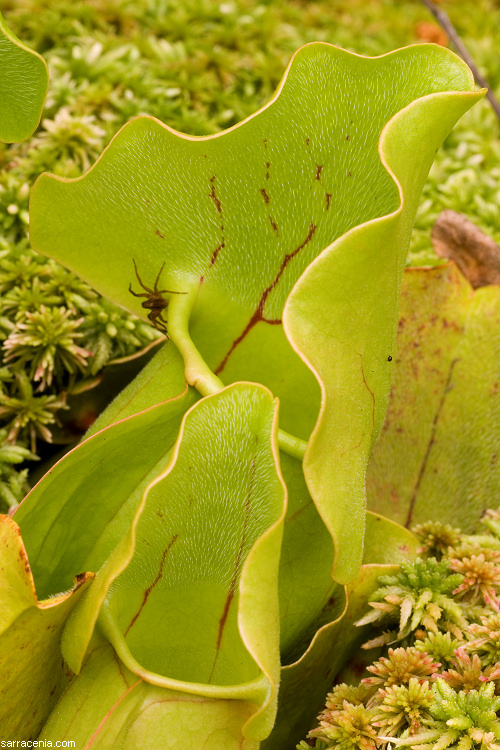
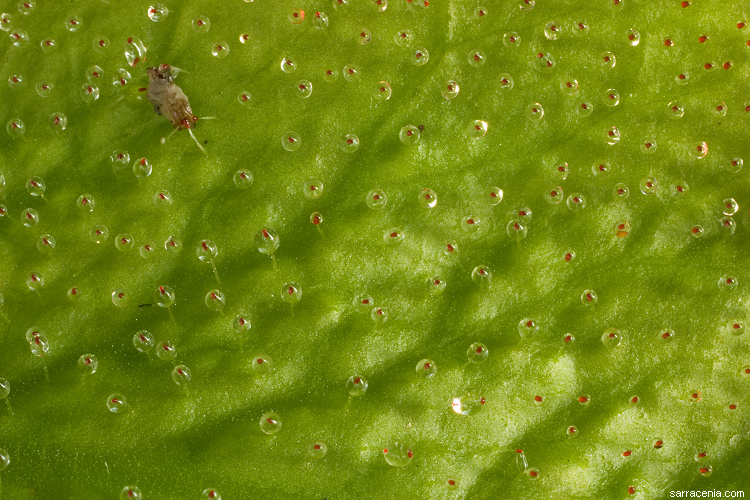
  • Sarracenia purpurea
    Sarracenia
    purpurea
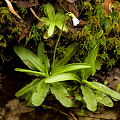
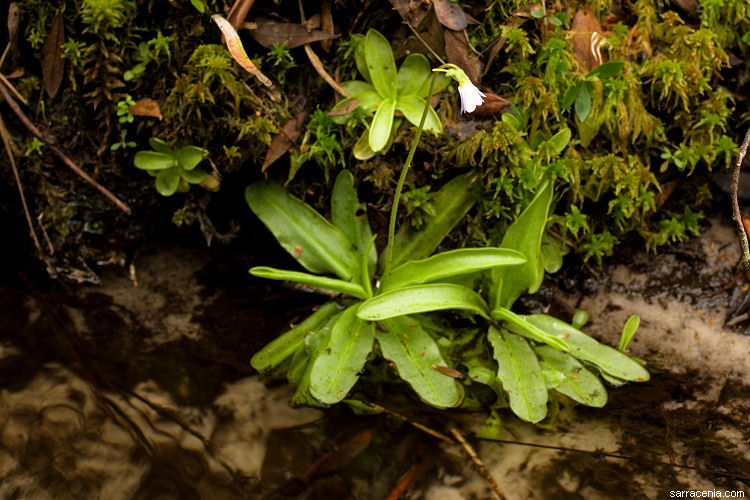
  • Pinguicula primulifloraPinguicula
    primuliflora
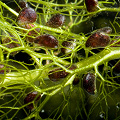
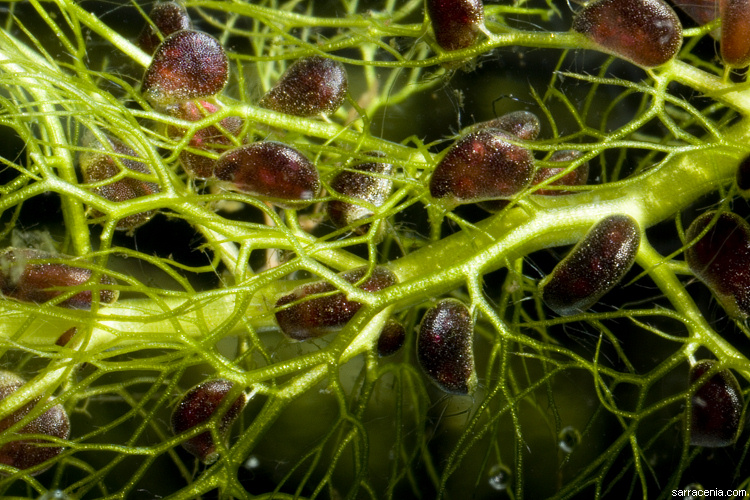
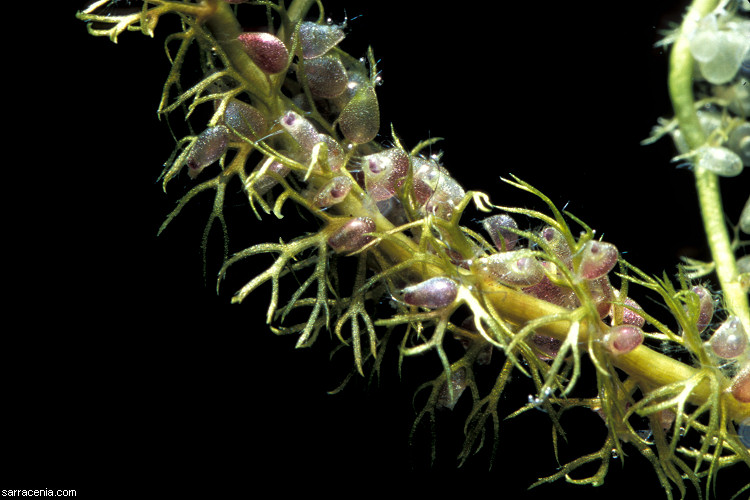
  • Utricularia dimorphanthaUtricularia
    dimorphantha
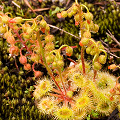
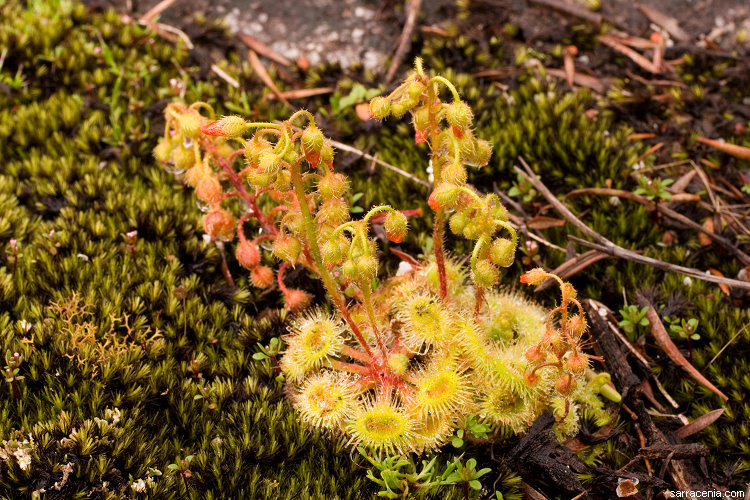
  • Drosera glanduligeraDrosera
    glanduligera
This is the third attribute of a carnivorous plant:

A pathway is available that allows nutrients to be absorbed into the plant, thus contributing to the plant's competitive and reproductive fitness. For most carnivorous plants, nutrients are transmitted via diffusion through trap fluids. In some cases (i.e., Roridula), nutrients are first passed through the digestive tracts of mutualistic organisms and then deposited, as fecal matter, onto the leaves, whereupon they enter the plant through cuticular gaps.

The nutrients pass into plants by three mechanisms, depending upon the plant.
  1. Some plants have specialized cells or cellular structures to allow for the absorption of nutrients. Examples include the stalked or sessile glands of Drosera or Pinguicula, or the quadrifid glands inside the bladders of Utricularia.
  2. Nutrients may enter the tissues directly. The interior pitcher walls of Sarracenia lack the waxy protective layer called a cuticle. This allows the nutrients from the pitcher fluids to enter the plant.
  3. Nutrients may enter the tissues through specialized gaps in the cuticle. In Roridula, breaks in the cuticle allow the nutrients from hemipteran fecal matter to enter the plants. Cuticular gaps are a big liability for plants because they expose the plant to dehydration or invasion by pests and disease, so a plant will not have such gaps unless they confer a real benefit to it.
Did you notice that, in my definition, I note that the nutrients must confer a benefit to the plant? This is important because it is the evolutionary drive behind selecting for carnivory. Plants will not evolve to be carnivorous if there is plenty of food present for it in the soil! For this reason, I don't think we will ever discover a carnivorous plant that occurs in rich, fertile soils.

Wednesday, April 18, 2012

What do you mean by "digestive mechanisms?"


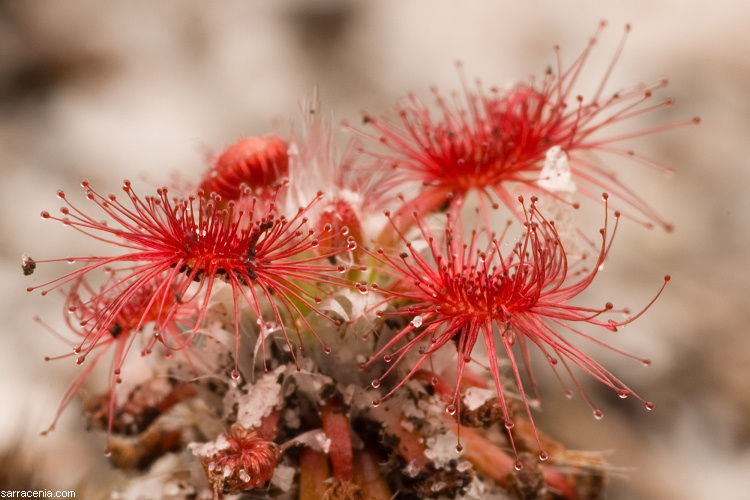
  • D. schizandra
    Drosera schizandra
    glands
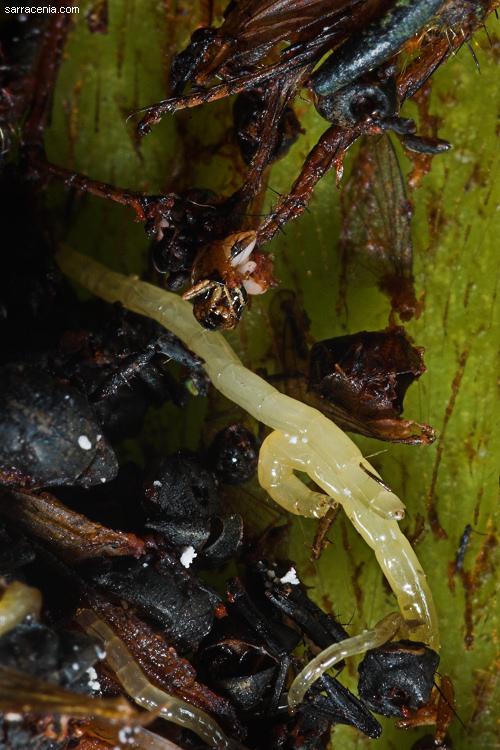
  • Metriocnemus in DarlingtoniaMetriocnemus
    in Darlingtonia
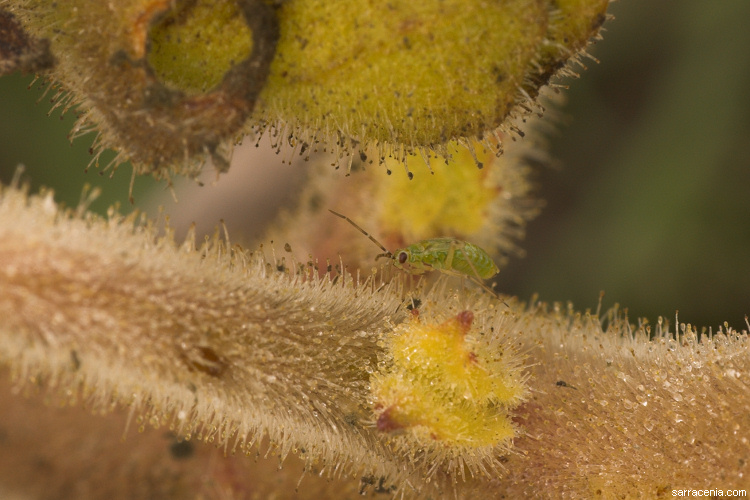
  • Cyrtopeltis on IbicellaCyrtopeltis
    on Ibicella
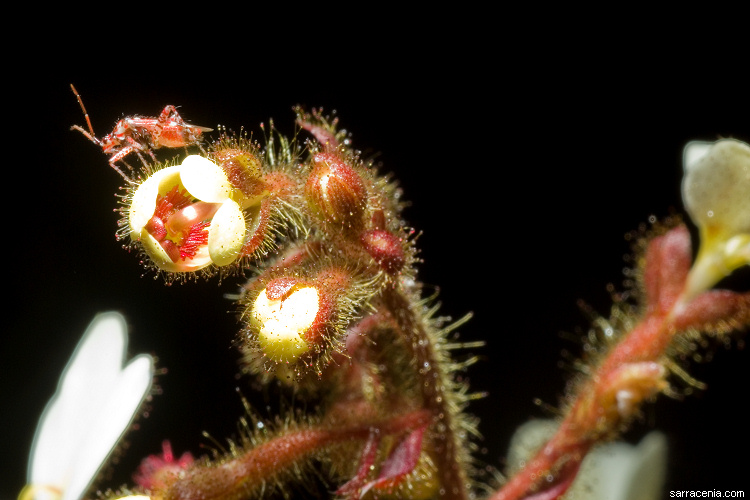
  • Setocoris on StylidiumSetocoris
    on Stylidium

Now we move to the second part of the three-part definition of a carnivorous plant:

A mechanism is present by which prey are degraded into a form that can be assimilated by the plant. The digestive mechanism may be enzymes produced by the plant, decomposition by bacterial activity, or other organisms in a mutualist relationship with the plant (i.e., arthropods as in the cases of Darlingtonia andRoridula).

All this means is that once the prey is captured, the prey must be digested into raw nutrients that the plant can absorb into its tissues. If you think of the trapping attribute as the plant's mouth, the digestion attribute is rather like the functions of a stomach. There are three ways that digestion can be performed:

  1. The plant may produce its own digestive enzymes.
  2. The plant may have internal parts that are populated with bacteria, mites, larval insects, etc. This is universal for all pitcher plants, even those that produce their own enzymes. Analogous to bacteria in the human gut, these organisms digest the prey for the plant.
  3. The plant may have external surfaces upon which live organisms such as predatory/scavenging hemipteran bugs that digest the prey, then produce excrement that can be absorbed by the plant.

You should be a little careful when looking at plants with predatory bugs crawling around on their surface. Every now and then a carnivorous plant enthusiast will report on some possible "new carnivorous plant," and will cite as evidence the fact that they saw a hemipteran crawling on it. Beware! Hemipterans crawl around on a lot of surfaces and sticky plants--that doesn't make the plant carnivorous. It is crucial that the plant has clear adaptations by which it can absorb the nutrients from the hemipteran. If the excrement from the bug just rolls off and goes into the soil to be lost, that ain't carnivory!

What do you mean by "adaptations to capture prey?"


  • D. roseana
    Drosera roseana
  • U. macrorhizaUtricularia macrorhiza
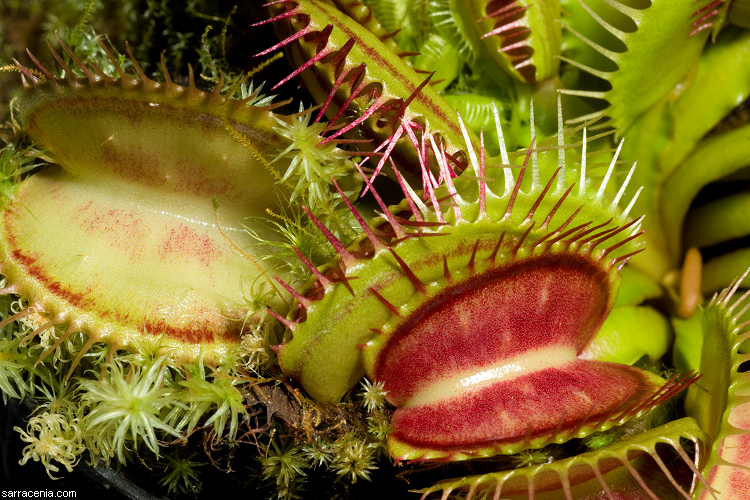
  • DionaeaDionaea muscipula
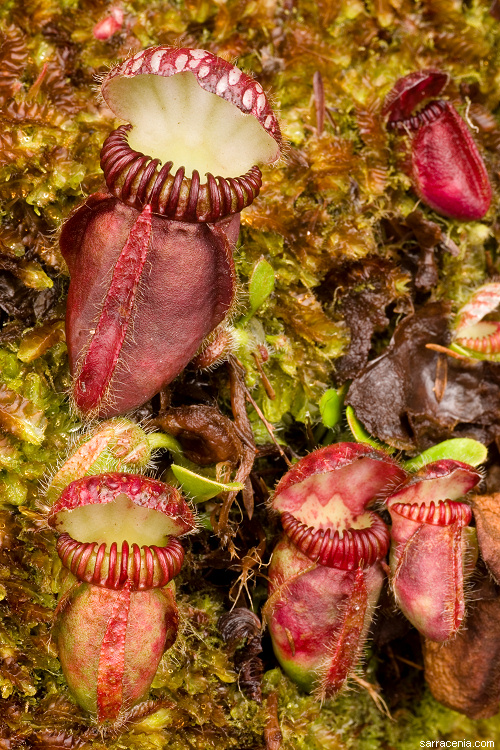
  • CephalotusCephalotus

This is the first requirement of the three-part definition of a carnivorous plant. In its full detail, the requirement is (in somewhat technical language):

The plant must have clear adaptations to capture prey. Such adaptations may include specialized structures like trapping leaves, and/or enhancements to improve the luring and capture of prey, such as extrafloral nectaries, attractive UV or pigmentation patterns, odors, hairs that guide prey, etc.

There are two parts to this. First, the plant must have a trapping mechanism. There are five different trap types that carnivorous plants have.

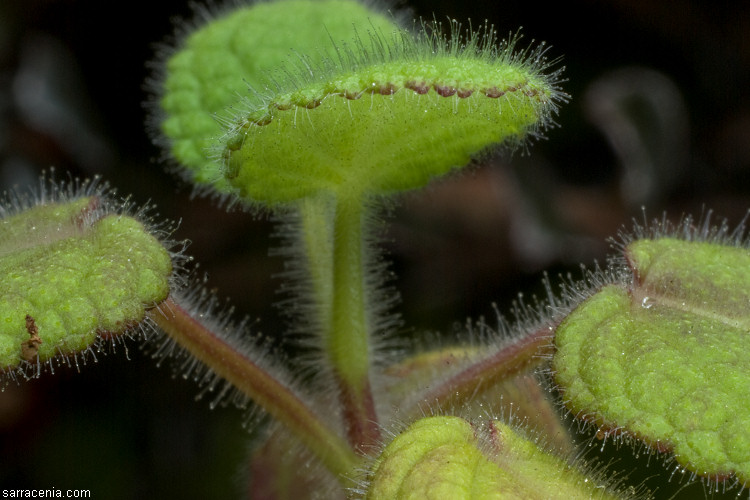
  • This Salvia is covered with glandular hairsA sticky Salvia
    Is it carnivorous?
  1. Pitfall traps--such as pitcher plants like Cephalotus;
  2. Sticky traps--such as the sundew genus Drosera;
  3. Lobster pot traps--such as the marvelous Genlisea;
  4. Suction traps--the only genus that does this is Utricularia;
  5. Snap traps--for example, the famous snapping leaves of Dionaea.

The second part of this attribute is that the simple trap type mentioned above might have modifications that improve its efficiency. I'll mention some as I describe the trap types later in the FAQ, but to whet your appetite I'll mention examples:

  1. Plants might produce nectar as a lure;
  2. Plants might produce an attractive smell;
  3. The trap may have visual appeal--this may only be visible in UV;
  4. The surface of the trap might be particularly slippery or waxy;
  5. Hairs may be present that point prey to the point of no return;
  6. Special trap windows may let light in, but not allow escape--this can disorient prey;
  7. Trap fluids may be particularly sticky or viscous.

The importance of this attribute is that it is the basic method by which prey are captured so the plant can get on with the next stage---digestion!

Wednesday, June 23, 2010

Plant of the day - Pinguicula Primuliflora

Perennial herb. The leaves are in basal rosettes that are 4-16 cm broad. The leaves are bright green, oblong, rounded at the tip, 6-9 cm long, 2.0-2.5 cm wide, and covered with short, knob-tipped (sticky and glandular) hairs. The flowers are solitary on leafless stalks (scapes) that become 8-15 cm tall, and have scattered, short, knob-tipped hairs. The flowers are bilaterally symmetrical with the calyx 2-lipped, the upper lip with three distinct lobes and the lower lip with two smaller lobes (see persistent calyx around fruit in illustration). The corolla consists of an expanded portion that is 2.5-3.0 cm wide with five nearly equal lobes that are obovate to nearly round, 8-13 mm long, 10-14 mm wide, and shallowly notched; a narrow tube that is 4-5 mm long; and a narrow, basal, downward extension or spur that is 3-5 mm long. The corolla tube and spur are lemon yellow with prominent brownish-violet veins; the ground color of the expanded portion of the corolla varies from deep to pale bluish-violet with darker veins, with a ring of white at the throat and a mass of yellowish, sometimes reddish-tipped, club-shaped hairs at the center. Some of these hairs, besides occurring along the inner throat, are found on an appendage (palate) that projects obliquely some 3-5 mm from the lower, inner surface of the corolla tube. The two stamens are white; the single ovary has a white style with two unequal lobes. The fruit is a rounded capsule, 5 mm in diameter, with numerous seeds. The seeds are brown, small (0.5-0.7 mm long), somewhat broadened at one end, and honeycomb-surfaced.